
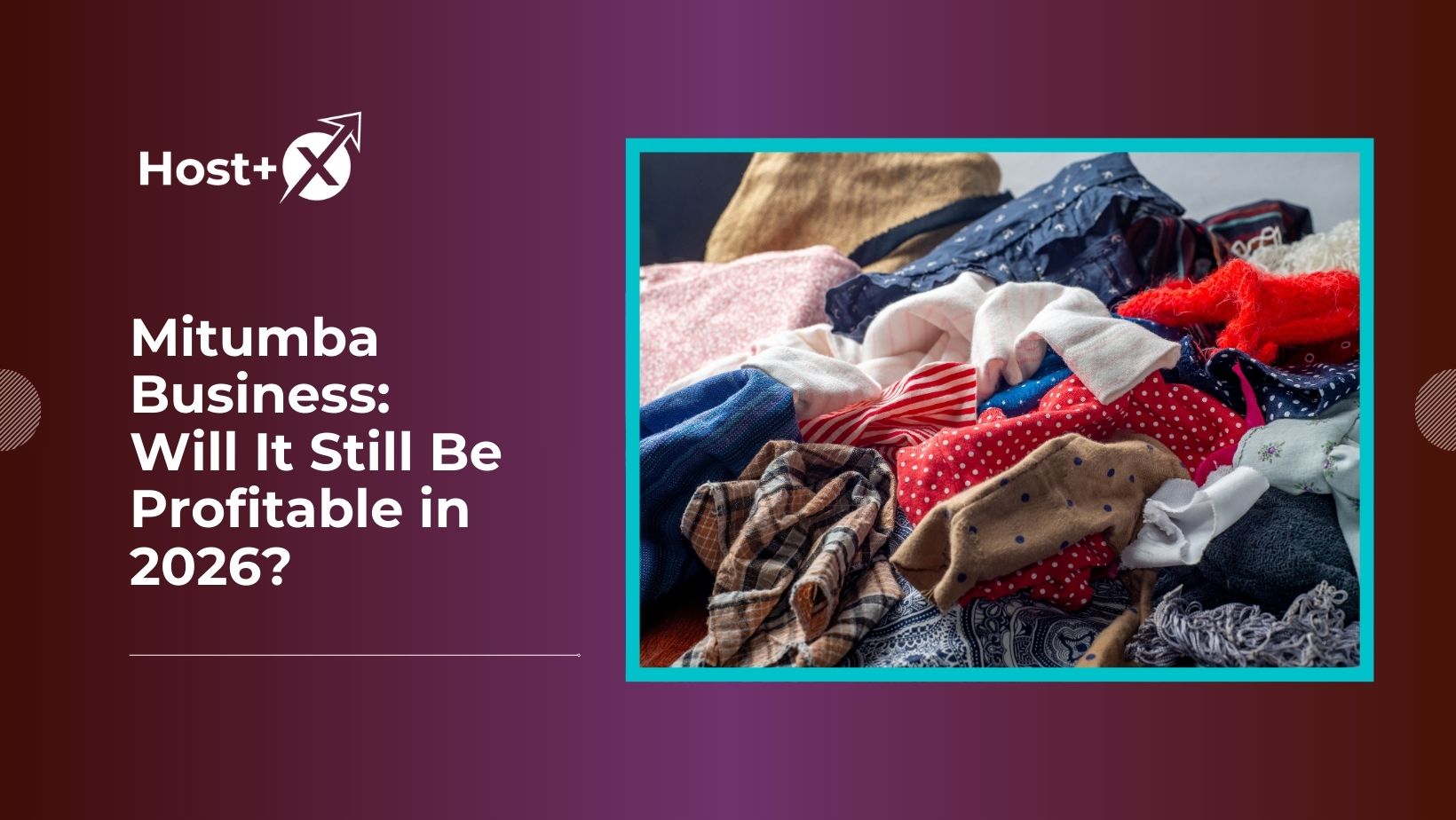
Mitumba Business: Will It Still Be Profitable in 2026?
The second-hand clothing trade—known colloquially as mitumba—has been a cornerstone of Kenya’s informal retail sector for decades. Millions of Kenyans depend on mitumba for affordable clothing, while tens of thousands of entrepreneurs operate mitumba businesses generating income. Yet the landscape for mitumba is shifting. Increasing regulations, changing consumer preferences, rising input costs, and growing online competition are reshaping the sector’s profitability and viability.
For entrepreneurs considering launching mitumba businesses or evaluating whether to continue existing operations, understanding these changes is essential. The question facing the sector in 2026 is not whether mitumba will exist—demand for affordable clothing remains substantial—but rather who will profit from it and how profitability will be achieved.
This comprehensive analysis examines the current state of Kenya’s mitumba sector, the specific challenges facing traders, and the strategies enabling profitability despite headwinds. You’ll understand whether mitumba remains a viable business opportunity, what specific challenges operators face, and how digital tools and business model innovation are enabling forward-thinking mitumba entrepreneurs to thrive even as the sector faces pressure.
Understanding the Mitumba Business Model: Current State in 2025
The traditional mitumba business model is straightforward. Import second-hand clothing from international suppliers, primarily from East Africa textile hubs and international recyclers. Retail this clothing through physical kiosks or market stalls at markups of 100-200 percent above purchase cost. The customer base is primarily lower and lower-middle income Kenyans seeking affordable clothing.
The economics have historically been attractive. Purchase costs for bulk secondhand clothing are minimal—KSh 200-400 per item wholesale. Retail prices of KSh 500-800 per item create gross margins of 100-200 percent. Operating costs are primarily kiosk rent, transportation, and minimal labor. Daily sales of 100-150 items generated monthly revenue of KSh 50,000-120,000 with substantial portions retained as profit.
This simple model has enabled hundreds of thousands of Kenyans to build income from mitumba operations. The barrier to entry is genuinely low—KSh 30,000-50,000 startup capital establishes a basic operation. For people without other employment opportunities, mitumba has provided accessible income generation pathway.
However, the sector’s profitability drivers are shifting. The factors enabling historical mitumba success are eroding, creating necessity for business model evolution. Entrepreneurs who adapt and innovate will remain profitable. Those clinging to traditional approaches will face declining margins and increasing challenges.
Regulatory Pressure: Government Restrictions on Secondhand Imports
One of the most significant challenges facing the mitumba sector is regulatory pressure. The Kenyan government has periodically restricted second-hand clothing imports, typically through tariffs or outright bans. The stated rationale is protecting local textile and clothing manufacturers. The practical effect is increasing costs for mitumba traders and reducing market viability.
Import tariffs on secondhand clothing have increased substantially over recent years. What once was virtually tariff-free has become increasingly expensive to import. These tariff increases directly translate to higher wholesale costs, either reducing margins or necessitating retail price increases that price products beyond what target customers will pay.
Proposed bans on secondhand clothing imports have threatened the sector periodically. While complete bans have not materialized permanently, uncertainty about future restrictions creates planning challenges for traders. Large inventory investments become risky if future restrictions might render inventory unsellable.
Compliance costs have also increased. What once operated informally now requires licensing, registration, and compliance with quality and safety standards. These costs reduce profitability, particularly for small operators already managing thin margins.
The regulatory environment is unlikely to become more favorable toward mitumba. As local textile industries lobby for protection and environmental concerns about textile waste increase, continued regulatory pressure is probable. Mitumba operators must anticipate that doing business will become increasingly regulated and costly.
Changing Consumer Preferences: The Rise of Affordable New Clothing
A fundamental shift in the market is changing consumer preferences away from secondhand toward affordable new clothing. This shift is driven by increasing availability of inexpensive new clothing through platforms like Shein, Jumia, and local fast-fashion retailers. Consumers who historically chose mitumba because it was the only affordable option now have alternatives.
The quality advantage mitumba once held is eroding. Previously, secondhand clothing from developed markets represented quality that local production couldn’t match at affordable prices. Now, fast-fashion retailers produce acceptable quality at price points competitive with mitumba. Consumers increasingly prefer new clothing—even if lower quality—over secondhand alternatives.
The psychological shift toward new versus secondhand is significant. Growing middle-class consumers prefer new clothing for status and preference reasons. Even lower-income consumers increasingly prefer new fast-fashion over secondhand. This preference shift reduces demand for secondhand products even as prices decline.
Online shopping for new clothing is accelerating this shift. Platforms enabling purchase of new fast-fashion at affordable prices directly from home are capturing customers who previously relied on mitumba kiosks. The convenience and preference for new products provide strong competitive advantage over secondhand retail.
This demand shift is structural and unlikely to reverse. As incomes rise and consumer preferences continue evolving, demand for secondhand clothing will likely decline further. The mitumba sector must adapt to this structural demand decline or face obsolescence.
Rising Input Costs and Margin Compression
Beyond regulatory and demand pressures, rising input costs are compressing mitumba margins. Transportation costs have increased substantially. Supplier prices have risen as tariffs have been passed through. Quality issues with available secondhand stock require more selective purchasing, reducing volume purchasing advantages.
The combination of these factors means that achieving historical margins is increasingly difficult. Operators must either accept lower margins or raise retail prices, both unattractive options. Lower margins reduce profitability unacceptably. Higher prices reduce competitiveness against alternatives and shrink addressable market.
Quality degradation in available secondhand stock is another challenge. As regulations tighten and suppliers face pressure, the available secondhand clothing mix is declining in quality. Higher-quality merchandise becomes scarce, forcing traders to either pay premium prices or accept lower-quality inventory.
The traditional high-margin, low-effort model is becoming unsustainable. Success in 2026 requires cost discipline, value addition, and business model innovation beyond simply importing and retailing secondhand clothing.
Digital Competition and E-Commerce Disruption
The rise of e-commerce is creating direct competition for mitumba traders. Platforms like Jumia, Facebook Marketplace, Vinted, and countless others enable sellers to reach customers digitally, bypassing physical retail locations. Digital platforms allow for greater product selection and convenient home delivery.
Secondhand clothing is increasingly traded digitally. A consumer can photograph their used clothing, list it on Vinted or Facebook Marketplace, and sell directly to customers without retail infrastructure. This disintermediation threatens traditional mitumba retail operations.
Digital native retailers—young entrepreneurs building online secondhand fashion brands—are capturing upscale segments of the market. Platforms like Thrift Studio and other curated secondhand online retailers position their products as vintage fashion rather than cheap clothing. This positioning supports premium pricing that traditional mitumba cannot achieve.
The digital disruption extends to supply chains. Direct relationships between Kenyan entrepreneurs and international secondhand suppliers are increasingly possible through digital platforms. This threatens the traditional wholesaler-retailer supply chain that mitumba depends on.
Successfully competing in this environment requires mitumba operators to develop digital capabilities. Physical retail alone is increasingly insufficient.
Strategies for Mitumba Profitability in 2026 and Beyond
Despite these headwinds, mitumba remains viable for operators who adapt and innovate. Several strategies enable profitability despite challenging market conditions.
Value addition through sorting, quality control, and curation improves margins. Rather than indiscriminately retailing all secondhand clothing, operators focusing on high-quality merchandise or specific categories can command premium prices. A mitumba operator specializing in quality women’s formal wear for office workers captures margin premium relative to general secondhand operators.
Market segmentation beyond price-based selection creates opportunity. Rather than competing on price against fast-fashion, serve specific segments—eco-conscious consumers valuing sustainability, fashion-forward consumers seeking vintage or rare items, or niche categories. Different segments have different willingness to pay enabling higher margins.
Digital expansion enables reaching customers beyond physical location. A mitumba operator with Facebook presence, WhatsApp ordering capability, or online listing on e-commerce platforms reaches far larger customer base than physical kiosk alone. Digital presence dramatically multiplies addressable market.
Premium positioning and branding enable supporting higher prices. Rather than anonymous secondhand retail, building a brand—”Sustainable Fashion Kenya” or “Premium Vintage Nairobi”—enables capturing consciousness-driven customers willing to pay significantly more. Branding changes customer perception from cheap necessity to valued choice.
Subscription or membership models create recurring revenue. A subscription box curating monthly secondhand selections for specific customer segments creates predictable revenue. Membership models with discounted pricing or exclusive access create customer stickiness.
Services and styling add value beyond retail. A fashion consultant helping customers select pieces creates value beyond pure retail. This service component enables higher margins and customer loyalty.
Wholesale to retailers enables avoiding retail competition while maintaining volumes. Rather than competing in retail, supplying boutiques or consignment shops with curated secondhand selections enables different margin structures.
Digital Infrastructure for Mitumba Success: Building Online Presence
The successful mitumba operators in 2026 will be those who combine physical retail with professional digital presence. A physical kiosk remains valuable for walk-up traffic and customer interaction, but digital presence multiplies reach and enables brand building.
A professional domain and website establishes your mitumba brand online. Rather than operating anonymously as one of thousands of kiosks, a branded website communicates your specific positioning, product selection, and business story. A website showcasing product photos, customer testimonials, and brand values creates connection beyond price-based competition.
Professional website hosting enables creating an e-commerce presence where customers can browse and purchase items. Online inventory management allows customers to browse your stock from their phones, dramatically expanding market reach. For mitumba operators offering shipping, delivery, or customer pickup arrangements, e-commerce creates substantial convenience advantage.
Social media presence on Instagram, Facebook, and WhatsApp costs nothing but requires consistent engagement. Daily posts showcasing new arrivals, styling tips, and customer stories build community. Engagement with followers creates loyalty and word-of-mouth marketing far more effective than traditional advertising.
For e-commerce operations accepting online payment, SSL certificate security protects customer information and enables confident transactions. Professional SSL implementation signals trustworthiness and professional operations to online customers.
The digital infrastructure investment is minimal—affordable hosting starts at KSh 229 monthly. For a mitumba business already operating with razor-thin margins, this modest investment multiplies customer reach and revenue potential far beyond the cost.
Specific Mitumba Business Strategies for 2026
Several specific business models enable mitumba profitability despite sector headwinds.
Curated vintage fashion positioning targets style-conscious consumers rather than price-conscious budget shoppers. By focusing on quality, unique pieces and positioning your mitumba as vintage fashion rather than cheap clothing, you access customers with higher willingness to pay. This positioning supports prices 2-3 times higher than traditional mitumba pricing.
Sustainable fashion positioning targets environmentally conscious consumers. Secondhand clothing’s environmental benefit—extending garment lifespan and reducing production impact—resonates with growing consumer segment. Positioning your mitumba as sustainable fashion enables premium pricing and attracts customers with different purchase motivations than price-driven shoppers.
Category specialization—focusing exclusively on specific types like formal wear, children’s clothing, or athletic wear—enables building expertise, curating inventory, and serving specific customer needs better than generalists. Specialization supports premium positioning and pricing.
Online-first model with physical pop-ups enables eliminating ongoing rent costs while maintaining brand visibility. Rather than operating continuous physical location, operate digital e-commerce complemented by periodic pop-up markets establishing physical presence. This model reduces overhead while maintaining community connection.
Wholesale partnerships with boutiques, consignment shops, or fashion retailers enable accessing customers without retail infrastructure. Supplying quality curated secondhand merchandise to established retailers creates different economics than retail competition.
B2B uniform or workwear supply targets employers needing affordable clothing for staff. Corporate uniform customization and supply represents stable, predictable business fundamentally different from consumer retail competition.
The Honest Assessment: Is Mitumba Still Viable?
The honest answer is that traditional mitumba—importing cheap secondhand clothing and retailing through physical kiosks with minimal differentiation—is declining in viability. The combination of regulatory pressure, rising costs, changing consumer preferences, and digital competition is making this model increasingly challenging.
However, mitumba remains viable for entrepreneurs who adapt and innovate. Those leveraging digital channels, building brands and positioning, adding value through curation and service, and targeting specific customer segments beyond price-driven shoppers can remain profitable. The sector is evolving from commodity retail toward more differentiated, digital-forward, value-added business models.
The entrepreneurs who will succeed in 2026 are those recognizing these shifts and adjusting accordingly. Those continuing traditional approaches expecting continued success are increasingly likely to be disappointed.
Your Mitumba Business Success Action Plan
If you’re operating or planning a mitumba business, follow this strategic action plan optimizing for 2026 profitability:
- Honestly Assess Your Current Business Model – Evaluate whether your current operation remains profitable given current costs, regulations, and competition. Calculate exact margins accounting for all costs. Compare your pricing to alternatives customers have. Assess honestly whether your current model is sustainable or if adjustment is necessary.
- Identify Your Specific Market Positioning – Rather than competing as generic secondhand retailer, identify specific positioning differentiating you. Will you focus on quality, sustainability, specific product categories, style positioning, or specific customer segments? Clear positioning guides all subsequent decisions.
- Develop Your Digital Presence – Register a professional domain establishing your brand online. Create a professional website showcasing your positioning, products, and story. Establish social media presence on platforms where your target customers gather. Digital presence is no longer optional—it’s essential to competitiveness.
- Add Value Beyond Retail – Identify how you can add value beyond simply offering used clothing at low prices. Will you provide styling services? Guarantee quality? Offer sustainability certification? Provide convenient delivery or returns? Value addition supports premium positioning and pricing.
- Adjust Your Supply Chain for Quality – Shift from maximizing volume toward curating quality. Selective sourcing ensuring high-quality merchandise supports premium positioning. Work with specific suppliers enabling reliable quality and consistent product mix.
- Test Premium Positioning – Experiment with higher-quality curation and premium positioning. See whether customers respond to higher price points if positioning and quality support them. Premium positioning enables better margins and reduced volume requirements.
- Develop Recurring Revenue – Move beyond transaction-based retail toward recurring revenue. Subscription boxes, membership programs, or retainer-based styling services create predictable revenue reducing dependence on transaction volume.
- Build Customer Relationships – Move from transaction-focused toward relationship-focused business. Remember customer preferences, provide personalized recommendations, and maintain contact beyond purchases. Customer loyalty and repeat business become revenue stability.
- Explore Digital-First Models – Consider whether physical retail is your competitive advantage or whether digital-first model with occasional physical presence better serves your business. Test online ordering, delivery, and marketplace presence exploring digital opportunities.
- Continuously Monitor Market Evolution – The second-hand market is evolving rapidly. Stay aware of regulatory changes, consumer trend shifts, and competitive dynamics. Adapt continuously to remain relevant rather than assuming your current approach will work indefinitely.
The Future of Mitumba: Adaptation Is Survival
The mitumba sector’s future depends on adaptation and evolution. The traditional high-margin, low-effort model of the past is no longer sustainable for many operators. But the sector will not disappear—demand for affordable clothing remains substantial, and secondhand clothing consumption is increasingly valued for environmental and sustainability reasons.
The entrepreneurs thriving in 2026 will be those who’ve shifted from commodity retail toward value-added, digitally-enabled, differentiated business models. They’ll be leveraging technology to reach customers, building brands and positioning, adding service and value beyond pure retail, and targeting specific customer segments rather than competing on price alone.
The transition requires mindset shift from “just importing and selling secondhand” toward “building a fashion business that happens to sell secondhand.” This mindset shift enables all the strategic decisions driving profitability despite sector headwinds.
Mitumba’s 2026 Outlook and Action
Mitumba will remain a viable sector in 2026 for entrepreneurs who recognize that the operating environment has changed and adjust accordingly. Those expecting to replicate the effortless profitability of earlier eras will be disappointed. Those embracing strategic adaptation and leveraging modern business tools will thrive.
The most important step is developing professional digital presence. A professional domain and website enabling online presence, digital marketing, and potentially e-commerce dramatically multiplies your competitive capability relative to purely physical retail. This investment costs as little as KSh 229 monthly for professional hosting and modest domain registration.
HostplusX provides all the digital infrastructure components enabling mitumba entrepreneurs to establish professional online presence—affordable hosting, professional domain registration, web design services, and SSL certificate security for e-commerce. These tools level the playing field between small mitumba operators and larger retailers, enabling you to compete on brand, positioning, and service rather than price alone.
The mitumba sector’s future is not predetermined. It will evolve according to how operators respond to changing market conditions. Those who adapt, innovate, and leverage modern digital tools will remain profitable. Those who don’t will face declining viability. The choice is yours—evolve your mitumba business toward 2026 success or risk obsolescence. Professional digital presence is your most powerful lever for adaptation.
